Friðheimar and Where to Eat on the Golden Circle
What lunch at Friðheimar's tomato greenhouse is really like, when to book, every other real food stop on the Golden Circle, and prices you can count on.
 By Björn Einarsson, Iceland Golden Circle tour guide and local specialist
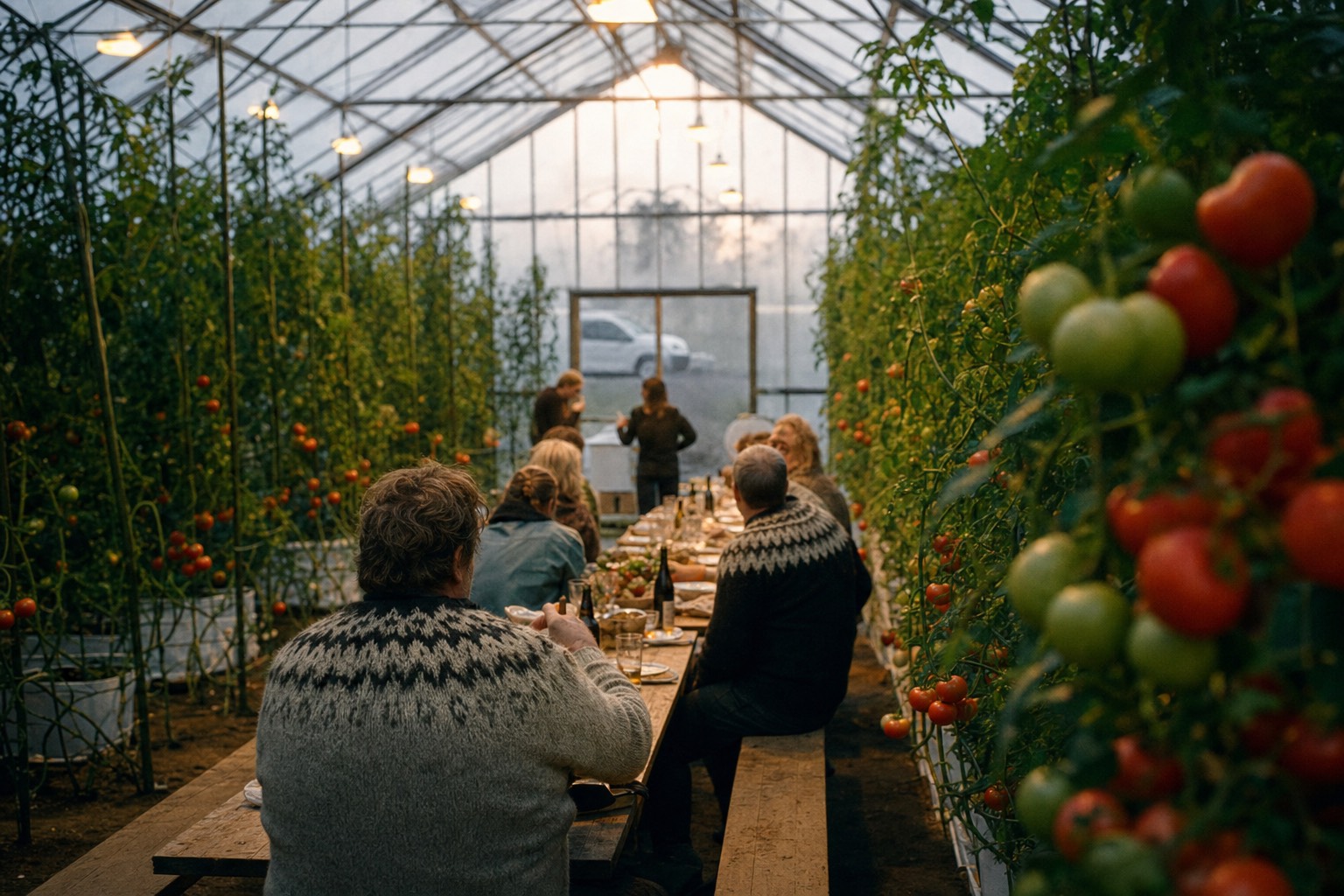
The first thing that hits you is the smell. Not sulfur for once, but tomato leaves, that sharp green scent that stays on your fingers after you brush a vine. Steam fogs the glass overhead. Bees drift between the rows, and somewhere behind the plants a server carries bowls of red soup to a table set right in the growing lines. This is Friðheimar in Reykholt, and on a route famous for waterfalls and exploding hot springs, it is the stop people are still talking about at drop-off. I pass the farm most weeks of the year, and I have not once seen a group walk through that door without going quiet for a second.
Booking choice: Choose the 9-hour route for a one-hour Friðheimar stop; choose the 8-hour coach tour for a shorter greenhouse visit. Food is extra and restaurant arrangements need confirmation. Explore Golden Circle + Friðheimar lunch stop
What is Friðheimar, and why does everyone talk about the tomato soup?
Friðheimar is a working tomato farm in Reykholt that seats you for lunch inside the greenhouse, tables set right between the vines. The star is the bottomless tomato soup with fresh-baked bread at 3,740 ISK. While you eat, the farm around you keeps harvesting, up to two tons of tomatoes a day.
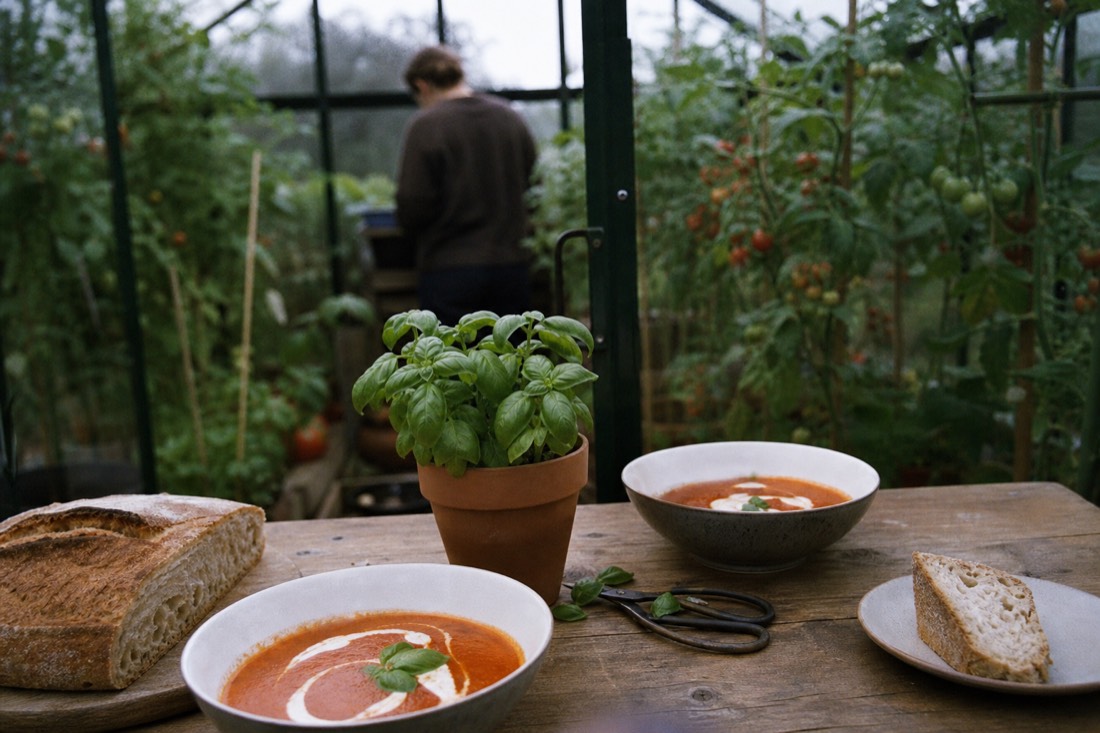
On paper it sounds like a gimmick. In person it works, and it works because nothing about it is staged. The plants around your table are the actual production crop, not decoration. Pots of living basil sit on the tables with scissors so you can snip your own garnish into the bowl. The bar mixes a Bloody Mary from tomatoes picked a few meters away. Staff walk past with crates mid-service because the harvest does not pause for lunch, and the operation has grown to the point that more than 100 people now work here full time.
The soup is the anchor of the menu on fridheimar.is, and refills are part of the deal, which matters at Icelandic prices. I have watched guests go back three times and leave feeling they beat the system. There are other greenhouse dishes too, tomato-based and otherwise, but almost everyone in the room is eating the same thing, and the hum of a hundred spoons is part of the atmosphere.
| Friðheimar at a glance | The figure |
|---|---|
| Tomato harvest | Up to 2 tons per day |
| Geothermal water used | About 100,000 tons per year, at 95°C |
| Distance to the borehole | 200 meters |
| Full-time staff | More than 100 |
| Tomato soup with bread | 3,740 ISK |
On most itineraries the farm lands after Geysir and before Kerið, which puts it neatly in the hungry middle of the day. That timing is not an accident, and it is a big part of why the stop has become the loop's unofficial lunchroom.
How does a greenhouse grow tomatoes on a volcanic island?
Geothermal heat does the work. Friðheimar draws roughly 100,000 tons of 95°C water a year from a borehole only 200 meters away, runs grow lights through the dark months, and lets bumblebees handle pollination. The payoff is a harvest of up to two tons of tomatoes daily, in January as in July.
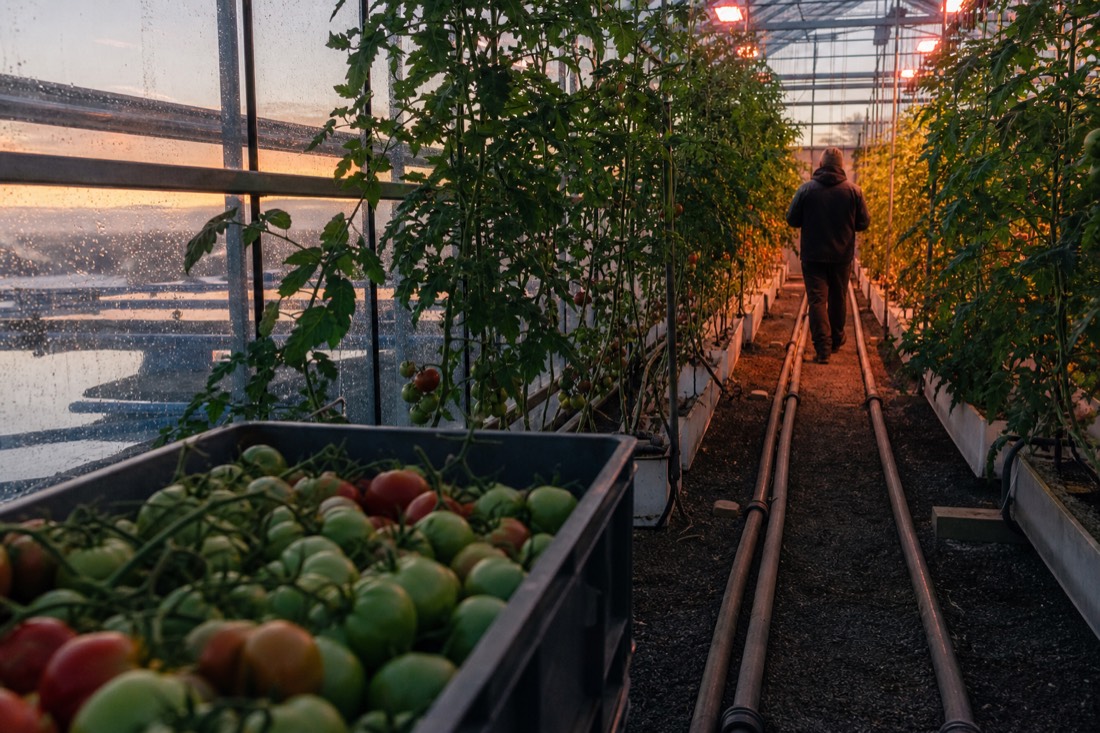
The same volcanic plumbing that powers Geysir runs under this whole valley. Reykholt sits on a geothermal field, and Friðheimar's borehole taps water hot enough to scald, then loops it through the greenhouses as radiant heat. Nothing is burned to keep the glass warm in a snowstorm. The electricity for the grow lamps comes from Iceland's grid, which runs on hydro and geothermal sources, so the January tomatoes are not carrying a diesel footprint the way winter produce does almost everywhere else.
The detail guests love most is the bees. Boxes of imported bumblebees live among the rows and do the pollination a wind-blown field would get for free. Look closely at the little hive doors while you wait for your soup. The farm explains all of this on signs and short tours, and it lands differently when you are standing in 20-something degrees of green warmth while sleet rattles the glass.
When is the best time to visit Friðheimar?
Midday, since Friðheimar serves lunch only, and outside the July and August crush if your dates allow. Independent travelers should reserve a table on fridheimar.is well before the trip, weeks ahead in summer. Guests arriving on a day trip should confirm whether the operator has arranged a restaurant table; a greenhouse visit alone does not promise lunch seating.
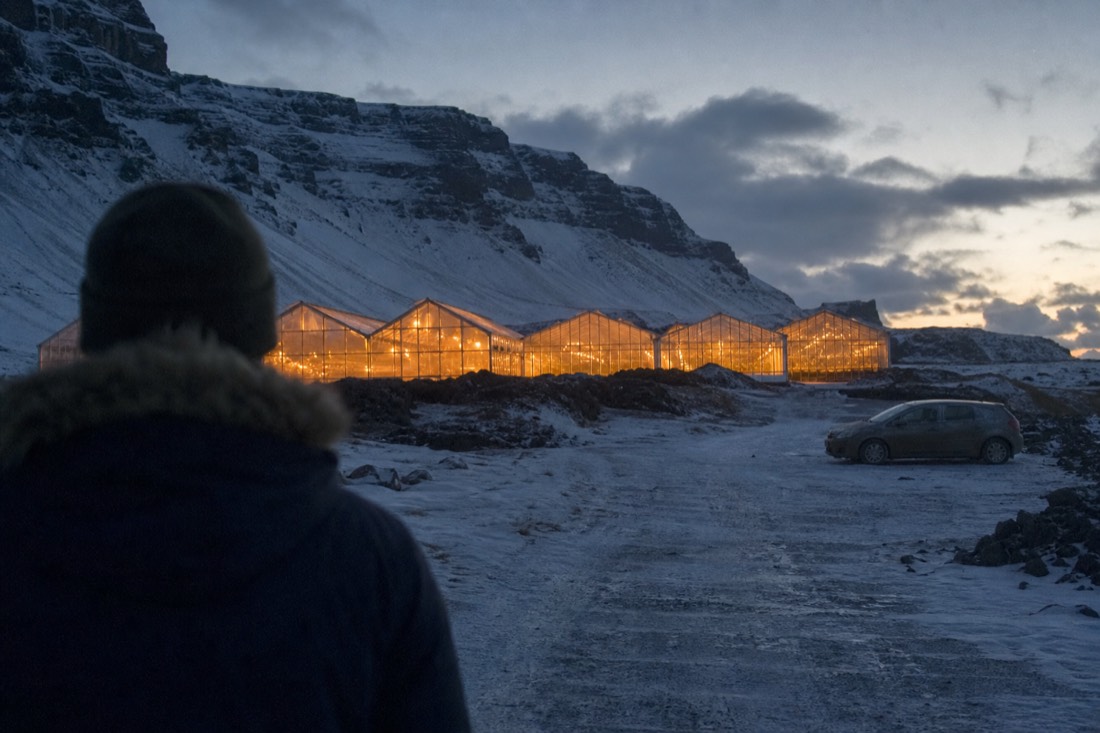
Because the greenhouse makes its own climate, there is no bad season inside. The choice is really about crowds and mood. High summer brings the most competition for tables, and walk-ins get turned away on busy days, so use the booking page early if you are driving yourself. Shoulder months are calmer. Winter is my personal favorite: the lamps turn the whole complex into an orange lantern in the afternoon dark, and stepping from a snowy car park into tomato-scented warmth is the kind of contrast Iceland does better than anywhere.
| Season | Inside the glass | Getting a table on your own |
|---|---|---|
| June to August | Bright, busy, full service hum | Book weeks ahead, walk-ins risky |
| September to October | Quieter rooms, autumn light | Easier, still book ahead |
| November to February | Grow lamps glowing against the dark | Most relaxed, book days ahead |
| March to May | Waking season, fewer buses | Comfortable with a short lead |
One more option for planners: the farm offers pre-booked greenhouse visits at 13,500 ISK for groups of up to nine, a guided look at the growing side beyond what a lunch seat shows you. For most travelers the meal plus a wander along the vines is plenty.
Are there restaurants along the rest of the route?
Yes, though they are spread thin. Geysir has the biggest food service on the loop, Gullfoss runs a cafeteria above the falls, Efstidalur II serves farm ice cream over its own cowshed, and Þingvellir manages little beyond café bites. Friðheimar is the only stop where lunch is the destination.
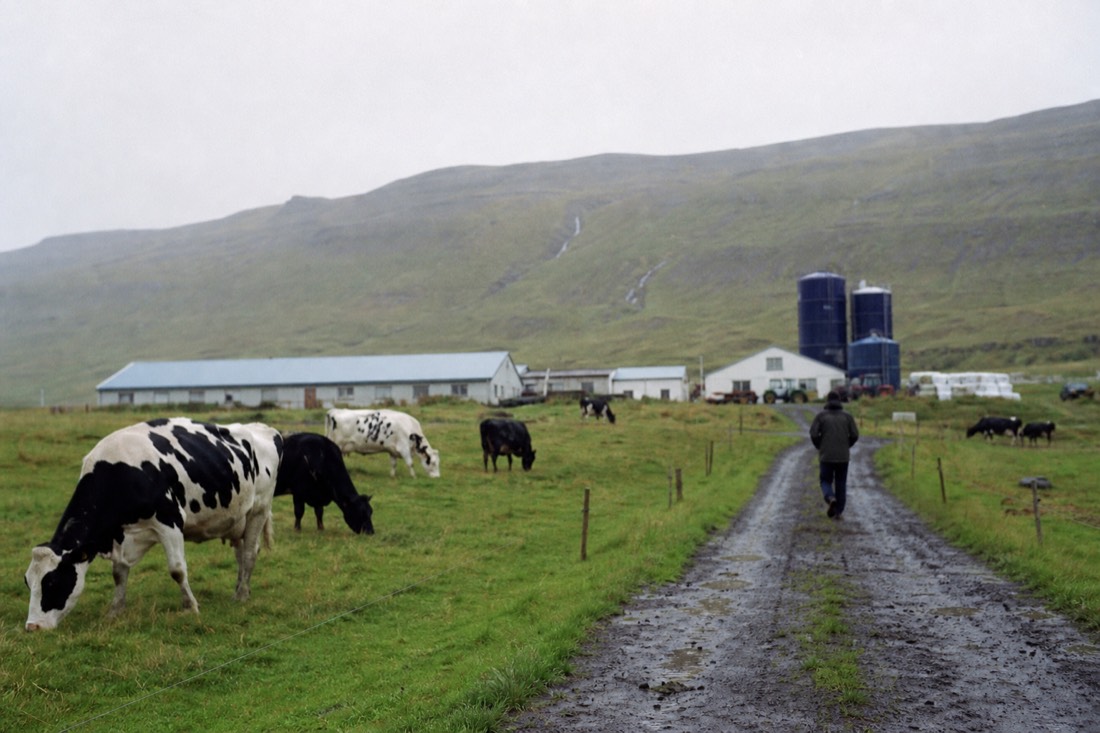
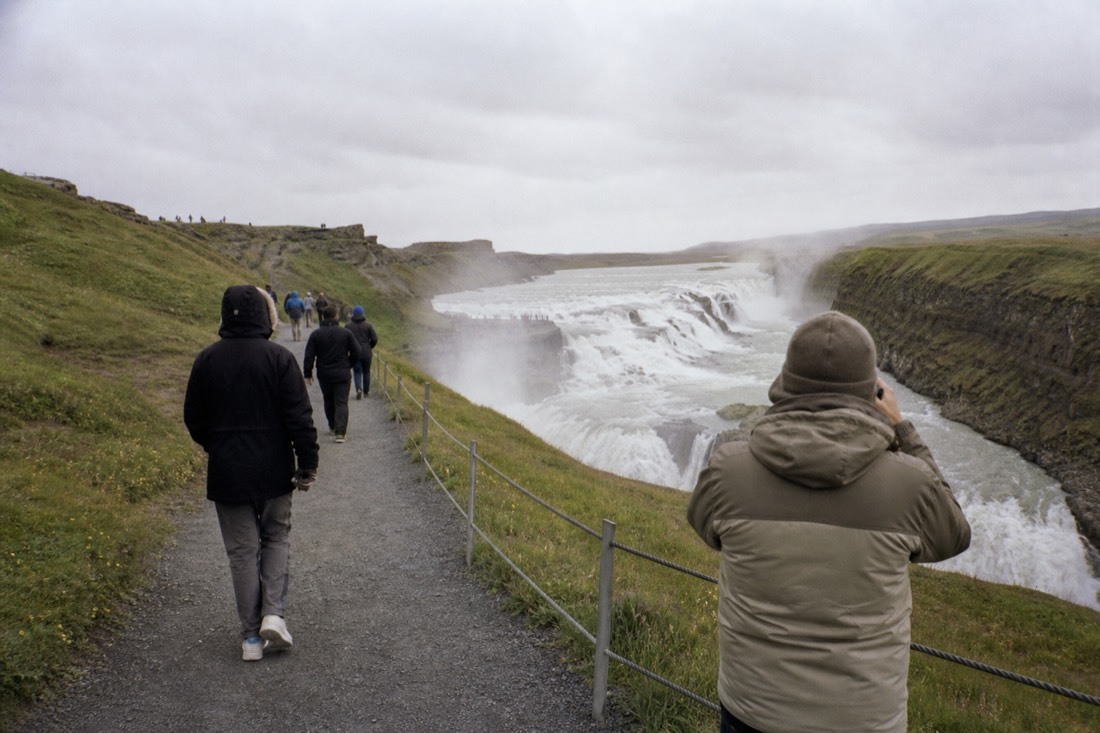
Here is the honest picture from someone who eats out here constantly. Þingvellir has a visitor-centre café, fine for coffee and a pastry, not a meal to plan around. The Geysir area has grown into a proper service hub with cafeteria-style food across from the hot springs, and it absorbs big crowds without much of a queue. Gullfoss has a self-service cafeteria upstairs from the falls, and its hot soup on a freezing day has rescued more of my groups than I can count. Kerið has nothing but the crater and the wind, so eat before or after.
| Stop | What you can eat | Style | Plan ahead? |
|---|---|---|---|
| Þingvellir | Café bites, coffee, pastries | Quick counter | No |
| Geysir | Cafeteria dishes, big capacity | Food hall | No |
| Gullfoss | Soup, sandwiches, cakes | Self-service cafeteria | No |
| Friðheimar | Tomato soup buffet, greenhouse dishes | Sit-down destination meal | Yes, unless a tour handles it |
| Efstidalur II | Farm ice cream, dairy dishes | Casual barn café | No |
| Kerið | Nothing, bring water | Crater walk only | No |
The wildcard is Efstidalur II, a dairy farm between Þingvellir and Geysir where you eat ice cream at windows looking straight into the cowshed. Kids remember it longer than the waterfalls. Where each of these sits on the loop is easier to see on the full stop-by-stop map than in prose.
What does eating on the route actually cost?
Plan on Reykjavík prices even this far into the countryside. The one meal I can price exactly is Friðheimar's soup buffet at 3,740 ISK, bread included. Around it sit small fixed costs, 1,000 ISK to park at Þingvellir and 700 ISK to walk Kerið's rim, and whatever coffee you cannot resist.
Iceland does not do cheap lunches, and the countryside does not discount. What changes out here is what you get for the money. In Reykjavík, soup at that price buys you a bowl. At Friðheimar it buys refills, bread you will talk about later, and a table inside a working farm. That is why I call it the best-value splurge on the loop rather than a tourist tax.
| Known cost on the loop | Price | Charged where |
|---|---|---|
| Þingvellir parking | 1,000 ISK per car | Park service |
| Kerið crater entry | 700 ISK per person | kerid.is |
| Friðheimar soup buffet | 3,740 ISK, refills included | At the table |
| Pre-booked greenhouse visit | 13,500 ISK, up to 9 guests | fridheimar.is |
| Tomato farm day trip | From $147 per person | GetYourGuide listing |
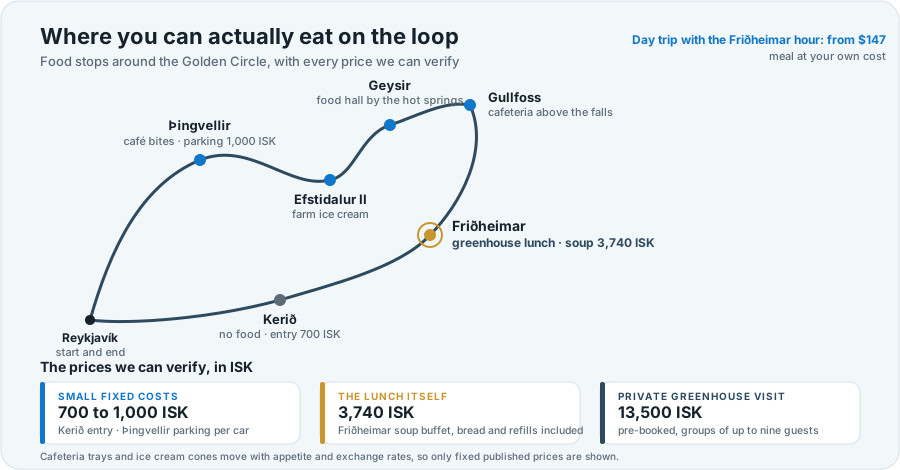
Everything else, the cafeteria trays and the ice cream cones, floats with appetite and exchange rates, so I will not pin fake numbers on it. If you are weighing the food spend against the wider day, the cost breakdown guide walks through the whole budget, transport included.
Which tour gets you a table without planning anything?
The 9 hour small-group Golden Circle, Tomato Farm and Kerið Crater day from GetYourGuide builds a full hour at Friðheimar into the route, with the meal at your own cost. Confirm the restaurant arrangement with the operator before relying on a table.
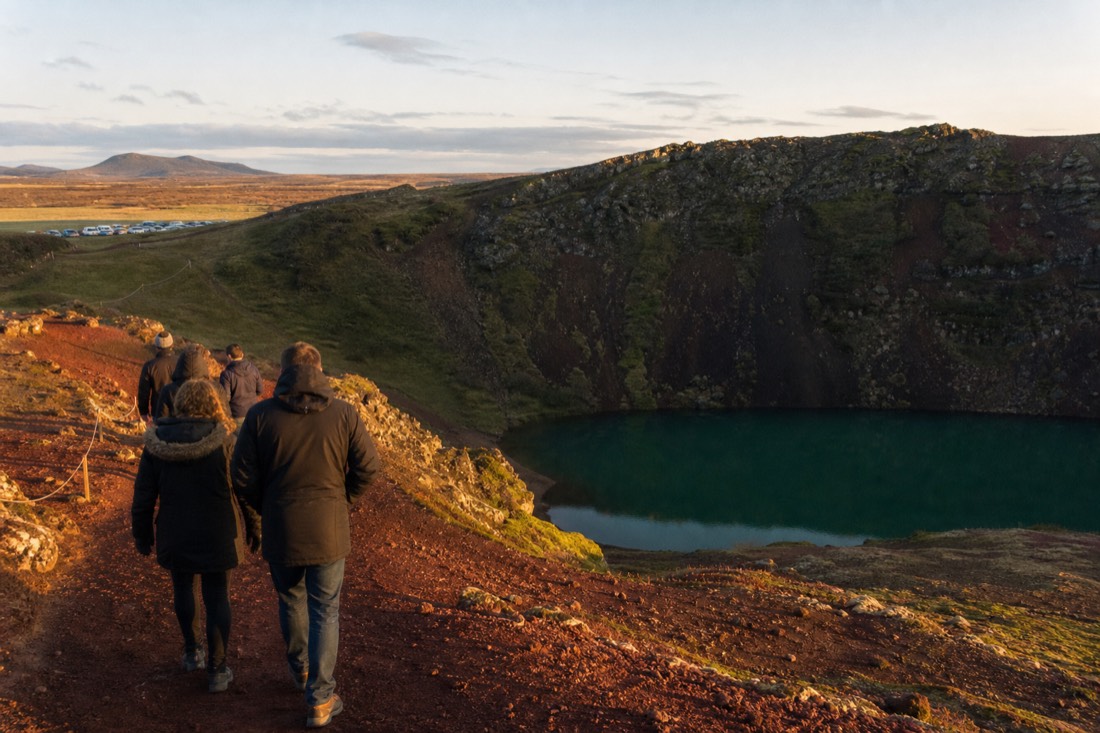
Of the three tours this site tracks, only one treats Friðheimar as a real stop rather than a drive-past. The day runs Þingvellir with an optional Öxarárfoss walk, then Gullfoss, Geysir, a full hour at the farm, and Kerið to finish, with Kerið's admission already covered. Hotel pickup starts at 08:30 across 21 Reykjavík points, and cancellation is free up to 24 hours before departure. Be clear on one thing, because the listing itself is easy to misread: the stop is included, the food is not. Budget for the soup the way you would at any restaurant.
Is that a flaw? I would argue the opposite. Prepaid group meals tend to mean a fixed plate. Paying at the table means you order what you actually want, second bowl included. If the greenhouse lunch is the part of the day you are most excited about, book the tomato farm and Kerið day trip and check live availability and prices on GetYourGuide for your date before arranging the rest of your day.
The other two tours on this site skip the farm entirely, which is worth knowing before you commit; a few more of those small surprises are collected in what I wish I knew before my first trip around the loop.
Quick answers before you go
Do I need a reservation if I arrive with a tour?
Confirm this with the operator. An hour at the farm is listed, but the stop itself does not establish that every booking includes a reserved restaurant table. Independent drivers are the ones who need fridheimar.is open on their phone a few weeks out, especially for summer dates.
Is one hour at Friðheimar enough?
Comfortably, yes. Soup service moves quickly because the kitchen has one hero dish, and that leaves time to wander the vines, meet the bees, and raid the little farm shop. Lingerers exist, but I rarely see anyone still eating at the 50 minute mark.
Is Friðheimar open in winter?
Yes, and winter might be the best version of it. The greenhouses run year round on geothermal heat and grow lights, the harvest does not stop, and the glowing glass against a dark snowy valley makes the lunch feel slightly unreal, in the good way.
Check your date before arranging the rest of your trip
General recommendation — confirm your party, pickup and requirements on the booking page.
Golden Circle + Friðheimar lunch stop
A one-hour Friðheimar stop, the main sights and Kerið admission.
9 hours · English · Meals cost extra. Confirm the restaurant arrangement with the operator; Öxarárfoss is optional.
Open the booking page directly
Check Golden Circle + Friðheimar lunch stop datesAffiliate links: we may earn a commission at no extra cost to you. Product details checked 16 September 2026.